House of Grotto of Catullus
Location
Sublocation
Garden
House of Grotto of Catullus
Keywords
- insulae (apartments)AAT:300000325
- cryptoporticiAAT:300004295
- vestibulesAAT:300083076
- piscinae (pools)AAT:300375619
- peristyles (Roman courtyards)AAT:300080971
- porticoesAAT:300004145
- balneaAAT:300120377
- atriums (Roman halls)AAT:300004097
- ditchesAAT:300006178
- water supply systemsAAT:300008618
- water bathsAAT:300248755
- gutters (building drainage components)AAT:300052565
- drainsAAT:300052564
- loamAAT:300014335
- basins (vessels)AAT:300045614
- statuesAAT:300047600
- cisterns (plumbing components)AAT:300052558
- terrazzoAAT:300011696
- water wellsAAT:300152327
- orchardsAAT:300008890
- presence chambersAAT:300004445
- fences (site elements)AAT:300005044
- exedrae (site elements)AAT:300081589
- garden pavilionsAAT:300006819
- reception roomsAAT:300077176
- terrazzoAAT:300011696
Garden Description
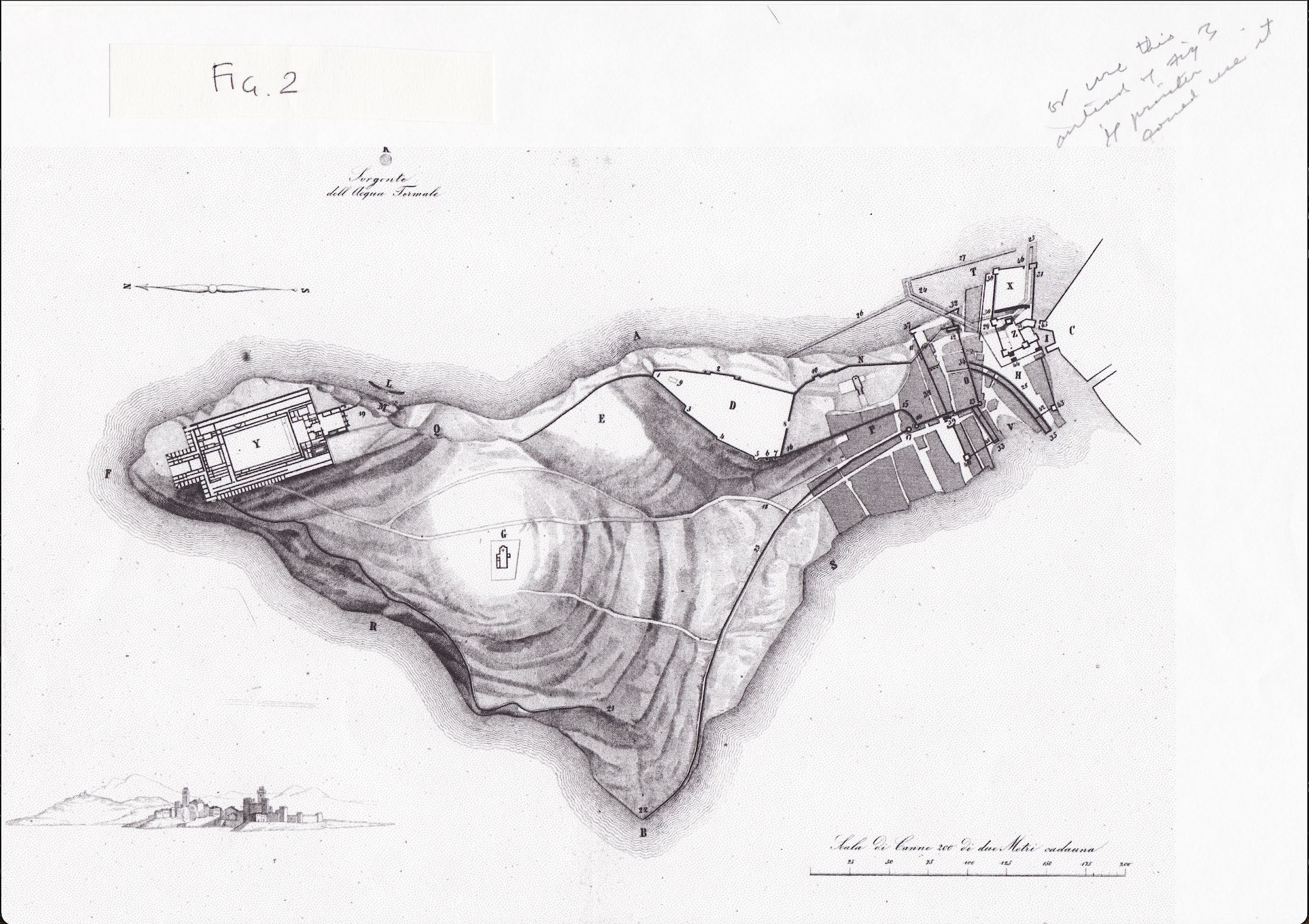
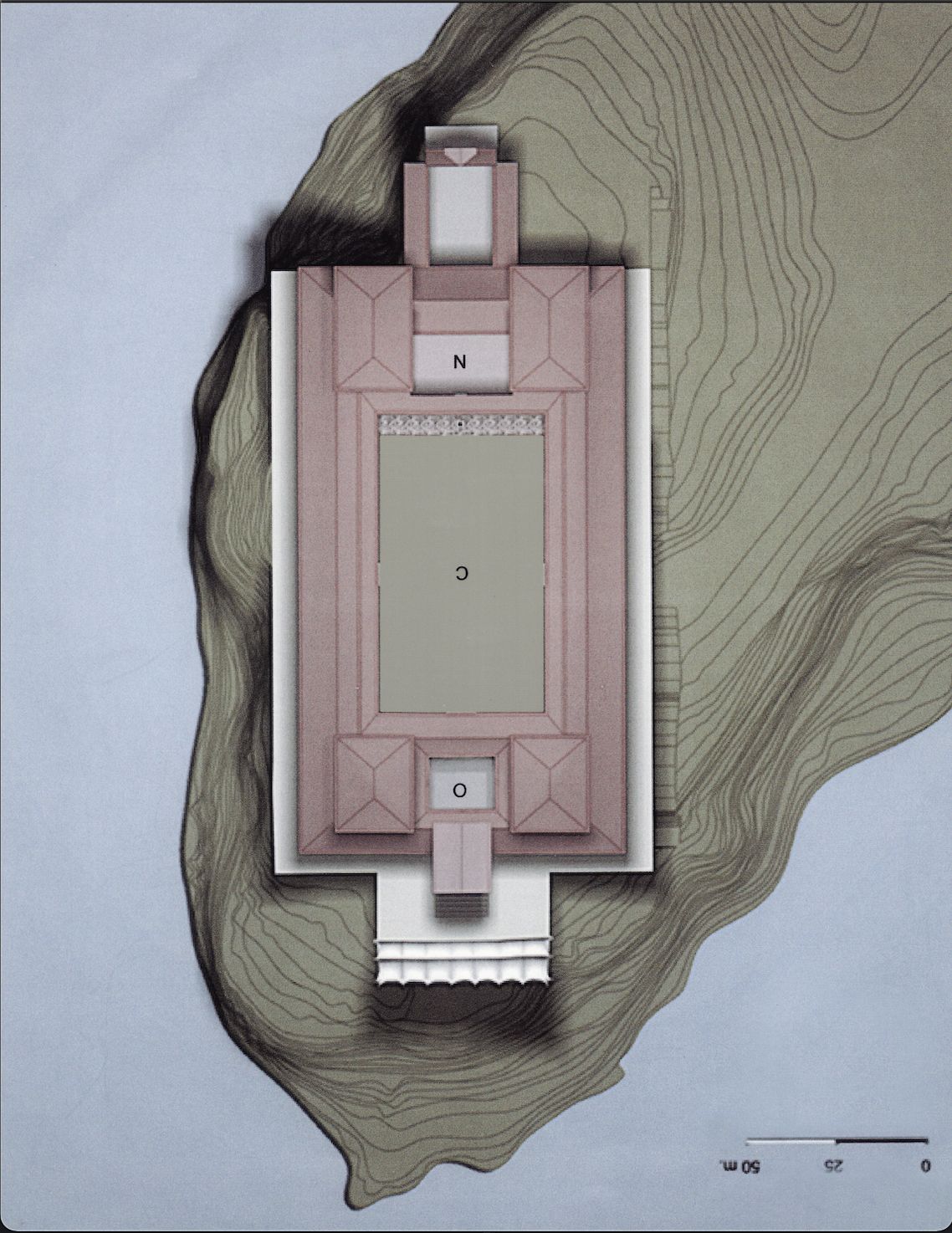
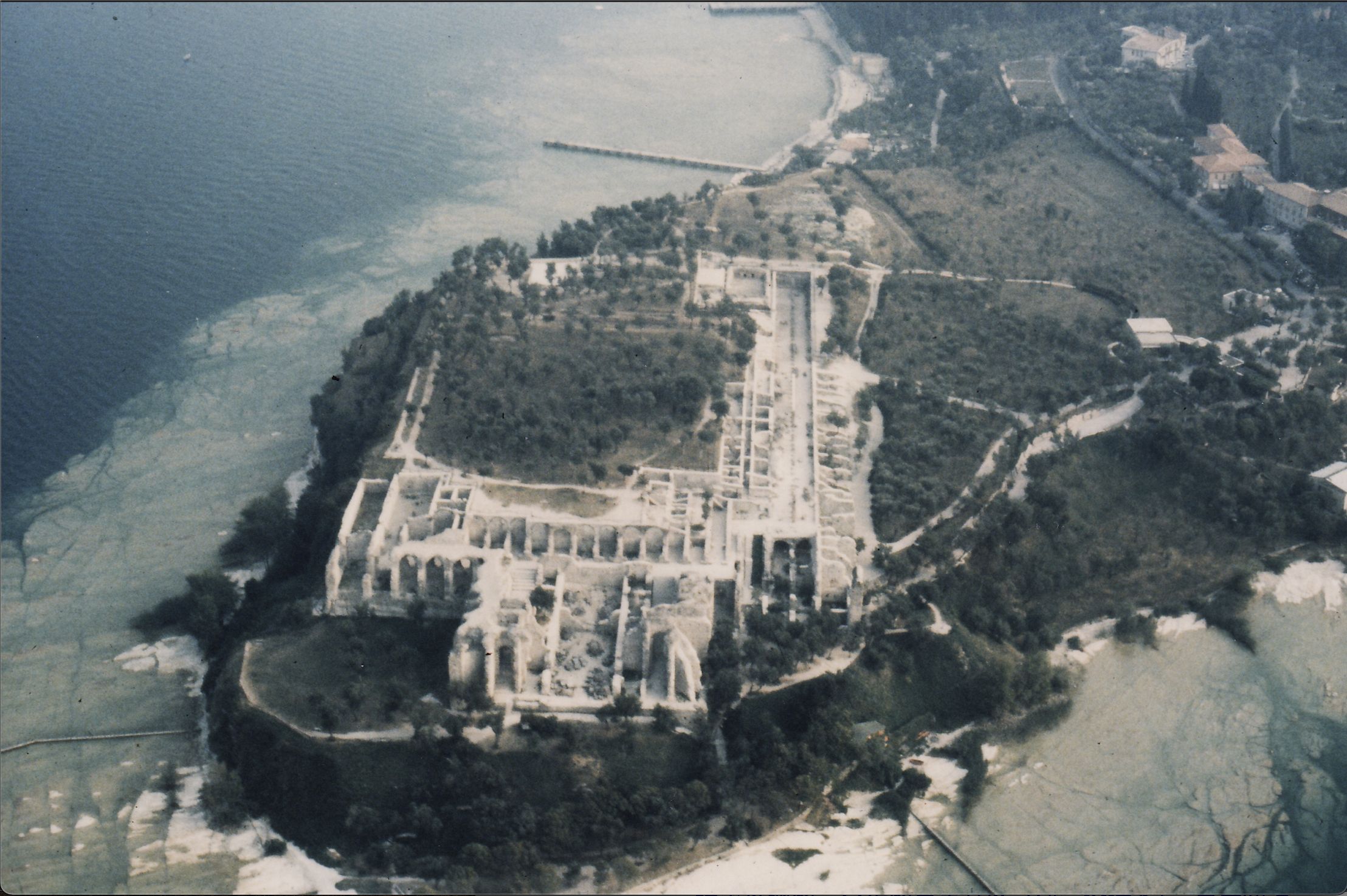
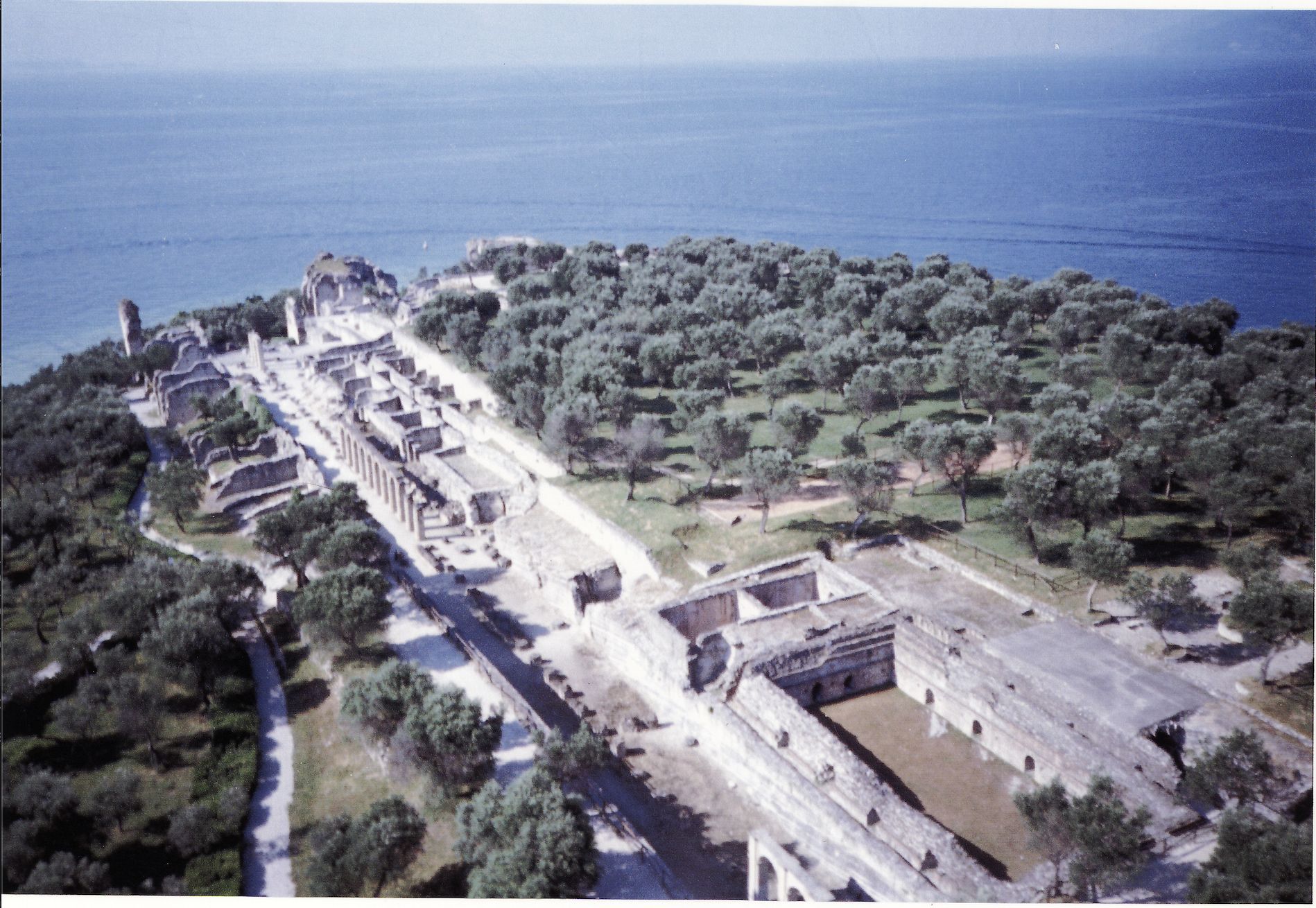
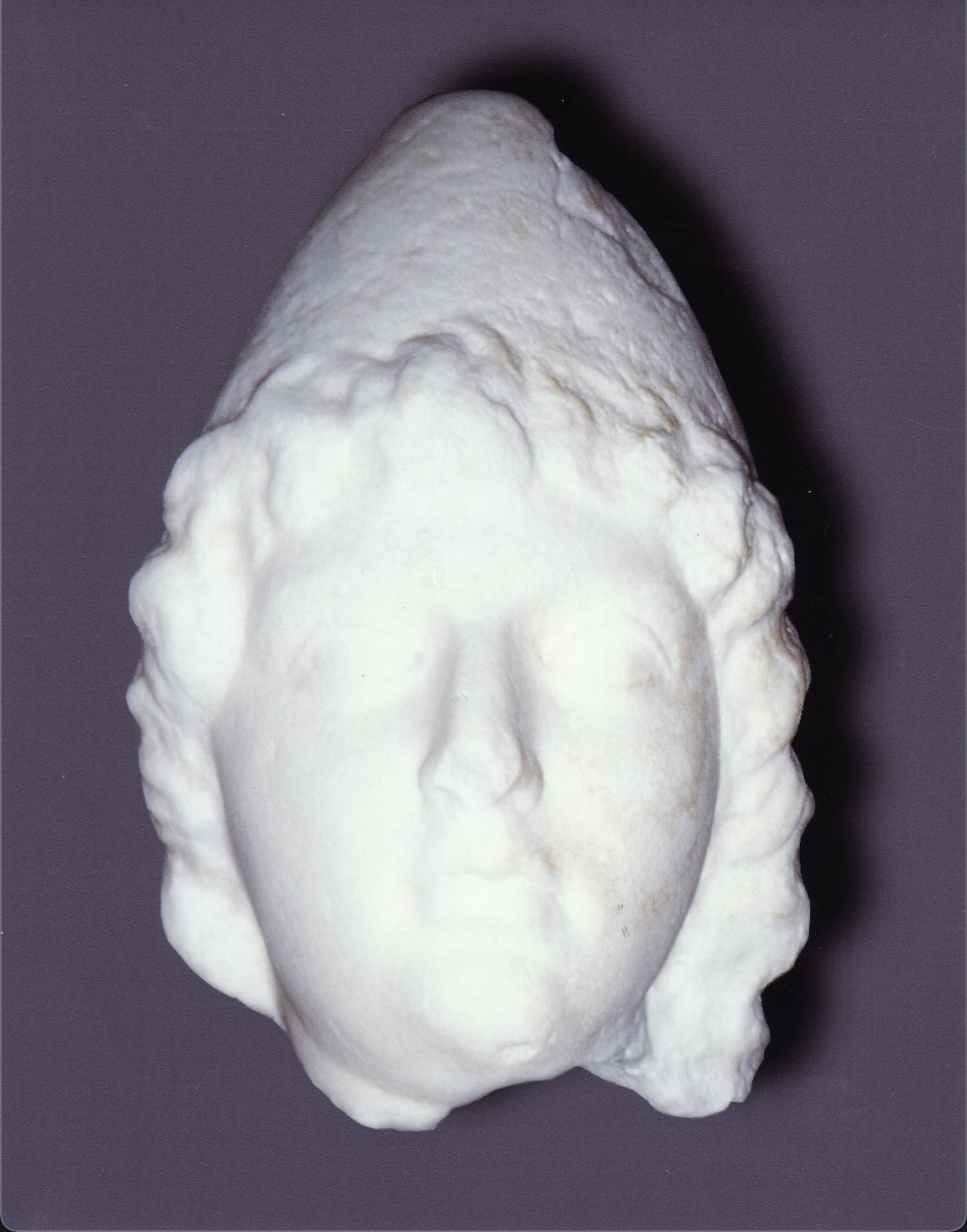
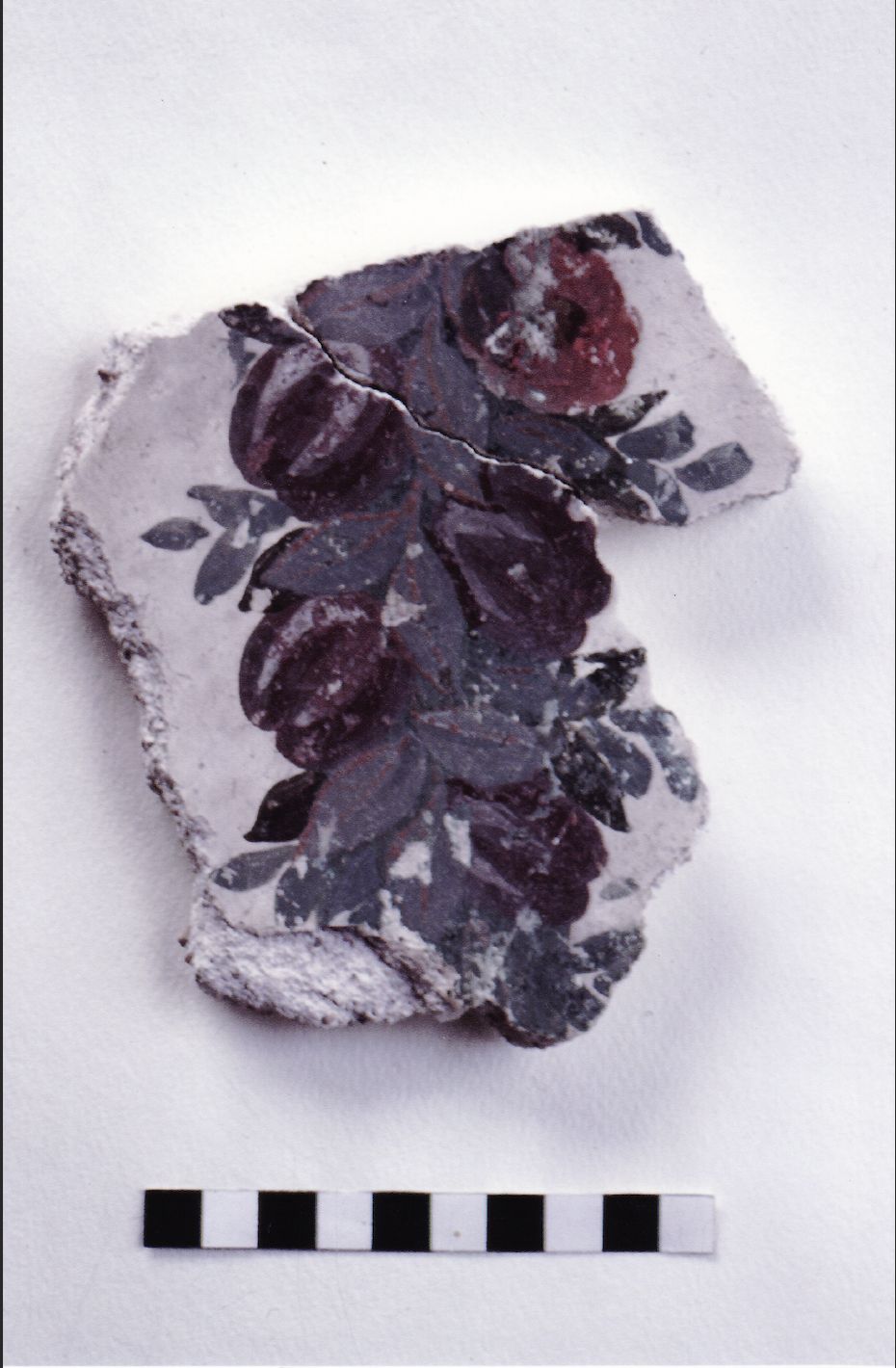
Sirmio is known from a citation in Catullus' XXXI° poem (paene insularum, Sirmio, insularumque ocelle ...) and in later road itineraries as a staging post (Sermione mansio) along the road between Verona and Brixia (Brescia), which passed to the south of the peninsula, forming part of the erritory of Verona. In several areas along this ancient coastline remains have been brought to light of large and sumptuous villas built on the coast, in large coves or high places, with beautiful panoramas.The remains of a villa, called by fifteenth-century visitors to the site "Grotte di Catullo", after Verona's poet Catullus, are situated at the northern tip of the Sirmione peninsula, on the southern bank of the Benacus (Lake Garda), the largest of the pre-alpine lakes (Fig.1). As one of the most interesting examples of Roman residential architecture in northern Italy, this villa deserves the designation of villa maritima, as other similar examples along the Campanium-Latium coast.The villa covers an area of around 20,000 square meters distributed on three terraces, which ascend the slope of the hill on a series of substructures. The building has a rectangular plan (167.5 x 10⁵ meters), with two foreparts; on the S side at the main entrance and on the N side at the tip of the peninsula, towards which the villa faced, so as to be surrounded by the lake on three sides (Fig. 2).On the evidence of recent studies, the villa is dated to the Augustan-Tiberian period (end of the first century B.C. –start of the first century A.D.): it was constructed after the destruction of an earlier building, the existence of which has been documented in a small archaeological excavation beneath the floor of one of the rooms on the southern side of the villa. Modifications to the building, in particular the creation of the large baths area, date to the end of the first –second century A.D. The destruction of the villa came quickly, with all probability around the 3rd century: at that time the functioning of the villa seems to have stopped and no later maintenance or building interventions have been identified; a differing situation as regards the other villas in the lake Garda area, which had a continued life, with phases of great importance, up to the first half of the fifth century.The building, constructed as a whole and with axial and symmetrical criteria, is characterized by long terraces on the eastern, western and northern sides: these connect directly with the large terrace on the northern forepart, which was shaded by a veiled covering, as demonstrated by the characteristic elements which supported the posts found in this area. By the side of the terraces were long porticoes: the western one built over a double-nave cryptoporticus, which acted as a substructure, the eastern for the main part built directly on the natural bedrock. The residential rooms were distributed in the northern and southern areas, the western part of the latter being occupied by the baths complex (Fig. 3-4).While the substructures are well-preserved, the residential floor, situated on the higher level, has been subject to greater destruction over the course of the centuries, due to the systematic robbing of building materials, already started in ancient times, the collapse of part of the wall on the eastern side along the hill-side, and in the agricultural use of the land, presently occupied by a vast olive grove (Fig. 5). The villa has been excavated on several occasions from the start of the 19th century and subsequently backfilled, so that the plan and hypotheses for the reconstruction for a large part of the residential level, which has not been the object of new research in recent years, are based on the notes and drawings of the 19th century, not always reliable. Other excavations were conducted between 1941 and 1965; research aimed at defining the chronology of the building and resolving problems in the plan of several rooms in the southern area were undertaken between 1984 and 1994.The events endured by the structure render difficult and at times impossible, at present, to hypothesize the functions and characteristics of many of the residential rooms, as also with the various open spaces present within the building. Undoubtedly, other than the large peristyle (C), which occupied the central area of the building, other open spaces, now buried (courtyards or gardens), were to be found along the central N-S axis. In the southern part there was an open space (N), situated between the western part of the villa, destined as the baths complex, and the eastern part containing the living rooms. In this case, according to the interpretation of the director of the first excavations and more recently, the area functioned as a courtyard giving access and light to the rooms on its E, S and W sides. A wall divided the courtyard from the S side of the peristyle, to which direct access was possible by one or more entrances. Another hypothesis suggests that access between the two courtyards was not axial but by a side corridor, while a wall with windows would have permitted a view of the internal garden.Of the other open space (O), situated to the N, there is uncertainty as to its function. One can hypothesize, on the basis of the 19th century plans, an open space with porticoes on all four sides: perhaps another small peristyle. An element which would confirm its use as a courtyard or garden is the presence of a stone-built rainwater drain, still present in the 19th century and illustrated by Orti Manara in his publication on Sirmione. Some parts of this drain have been re-used in the walls of the Early Medieval church of San Salvatore in Sirmione. There are no precise indications for external gardens and it is only possible to hypothesize the natural setting in which the villa was situated. However it must be stated that artificial terraces had been made on the eastern side of the building, or more precisely the areas which corresponded to the N-E and S-E corners, formed by the two foreparts of the villa. In the first (H) the bedrock has been cut to a depth of around 4 meters to create a large terrace, which occupied the whole area as far as the drop in level towards the lake (Fig.6). It is interesting that the second artificial terrace (I), of more limited extension, at around 10 meters below the residential level of the villa and reached by a flight of steps, was still known in the 19th century, by ancient tradition and without apparent justification, as "the garden."The large central open space (C), beginning from the 19th century, was identified as a courtyard-viridarium. It is formed by an area of around 4000 square meters, equivalent to about one fifth of the whole area of the villa (Fig.7). Both the 19th century excavations and more recent trenches have failed to locate the presence of structures or floors, and it is therefore possible to hypothesize that the area functioned as a garden, probably surrounded on all four sides by porticoes as indicated in the 19th century plans and supported by recent research.The present land use, with many trees, and the thin soil cover in respect to the original ground surface, no longer permit the acquisition of data to allow a more precise reconstruction of the ancient garden, its internal sub-divisions, the types of vegetation, the possible ornamentation. On the S side of the peristyle is located a large perfectly preserved underground cistern (66), of a length corresponding to the width of the peristyle (42.60 x 2.40 meters). It is covered by a herringbone floor in small bricks, 6 meters wide and around 50 meters long (fig.8). Rainwater, collected in this part of the building, flowed into the cistern through a series of lead fistulae which entered the S-E and S-W corners, as is demonstrated by holes in the floor created by the robbing of the lead pipes, of which fortunately a small part is still preserved in the S-W corner, where it enters the cistern. The floor of the cistern has a slope of 7-8% from S to N: on the northern side four channels collected rain water and allowed it to flow in an organized manner towards the garden, with a slope of 6% (fig.9). The channel was formed in the initial part by a prolongation of the herringbone brick floor, which with its tapering form towards the external area helped the entry of rainwater into the channel, which flowed beneath the ancient ground surface (Fig. 10). The channels, lined with hydraulic mortar, were excavated in the bedrock, which outcropped on the eastern side and were covered with thin stone slabs. On the opposite side they were constructed in the earth and only their lower parts are preserved, the covering and the ancient floor shaving been robbed. Given the slope of the channels, their conformation and number, it is to be excluded that they had the sole function of draining the rainwater from the brick floor, and it may be hypothesized that they also served the function of directing to the garden the water which was extracted from the cistern, perhaps for irrigation.Water was drawn from the cistern by one or more wells: in the 19th century a well-curb, which was said to have come from the area of cistern, was still preserved in Sirmione. By the side of the cut which housed one of the well-curbs, two square holes had been cut into the floor in ancient times. It is hypothesized that they held the posts for the structure supporting the ropes and vessel used to extract water from the cistern (girgillus).There are no other elements to help describe the form of the large peristyle. Two pieces which may have formed part of the decoration of the garden are composed of sculptural fragments: a head dating to the second century A.D., found in the soil inside the cistern (66), and a sundial, presently lost, but fortunately represented by a drawing. Given the location, the head must have come from the peristyle, and can be hypothesized as belonging to the statue of a Dioscuros (fig. 11). In Greek marble, it is broken at the level of the chin. The head is covered by a pilos, from which issue locks of hair, curling on the forehead and sides of the face.There are no useful clues to help reconstruct the vegetation, which may have been present in and around the villa.The climate of Lake Garda is sub-Mediterranean, determined by the notably large mass of water which tends to maintain a constant temperature, much milder than the rest of the cisalpine area. The cultivation of olives already existed in Roman times, as documented by botanical evidence from recent excavations at Sirmione and the strong spread of the plant both in the locality and the whole area around Lake Garda in the Early Medieval period. In the same manner grapes were probably also cultivated, indirectly represented by an inscription found near Sirmione (fig. 12). Probably also common in the Roman period were the native species, shrubs such as oleander and rosemary and trees such as cypress, bay, ash and several species of oak, documented in the last two examples by botanic remains found at Sirmione, recently analyzed by the Archaeobiological Laboratory of the Civic Museums of Como.
Plans
Dates
unspecified
Excavation Date
1801
Bibliography
- G.G. Orti Manara, La penisola di Sirmione sul lago di Garda, Verona 1856.(worldcat)
- N. Degrassi, Le Grotte di Catullo, Taranto 1956. (worldcat)
- M. MirabellaRoberti, La villa romana di Sirmione, Milano 1958, pp.157-162.(worldcat)
- T.P.Wiseman, Le Grotte di Catullo. Una villa romana e i suoi proprietari, Brescia 1990. (worldcat)
- E. Roffia, Sirmione, le "grotte di Catullo", in Ville romane sul lago di Garda, a cura di E.Roffia, Brescia 1997, pp.141-169. (worldcat)